Start with clear reporting. Add workflow and intelligence when needed.
A photo, a location, and a short description often say more than a long email thread. Stratilyze helps teams capture field issues clearly, review them in one shared dashboard, and build the right level of workflow around them.
Built for practical operations first: humans stay in charge, responsibilities stay visible, and AI assistance can be layered in where it genuinely helps.
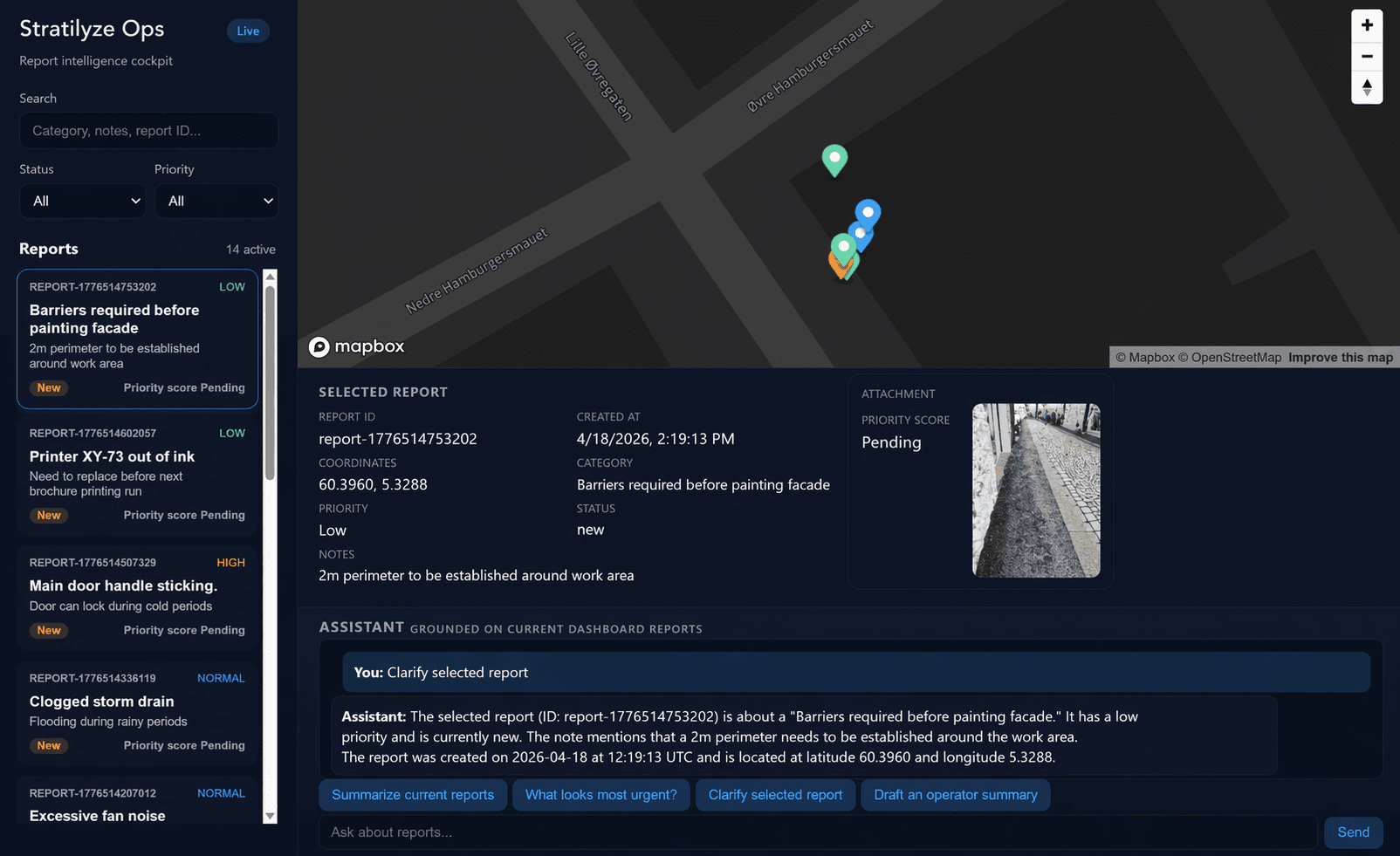
See the workflow in one shared dashboard
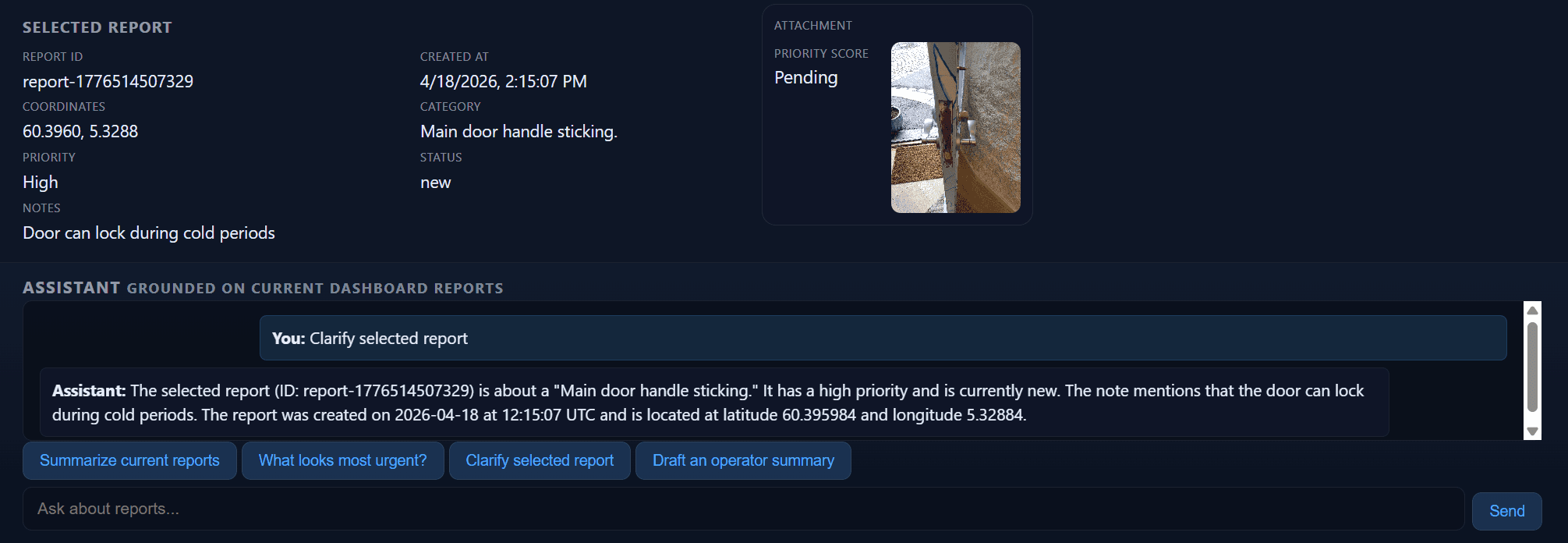
Review incoming reports, inspect details, keep ownership visible, and follow issues through to verification and closure.
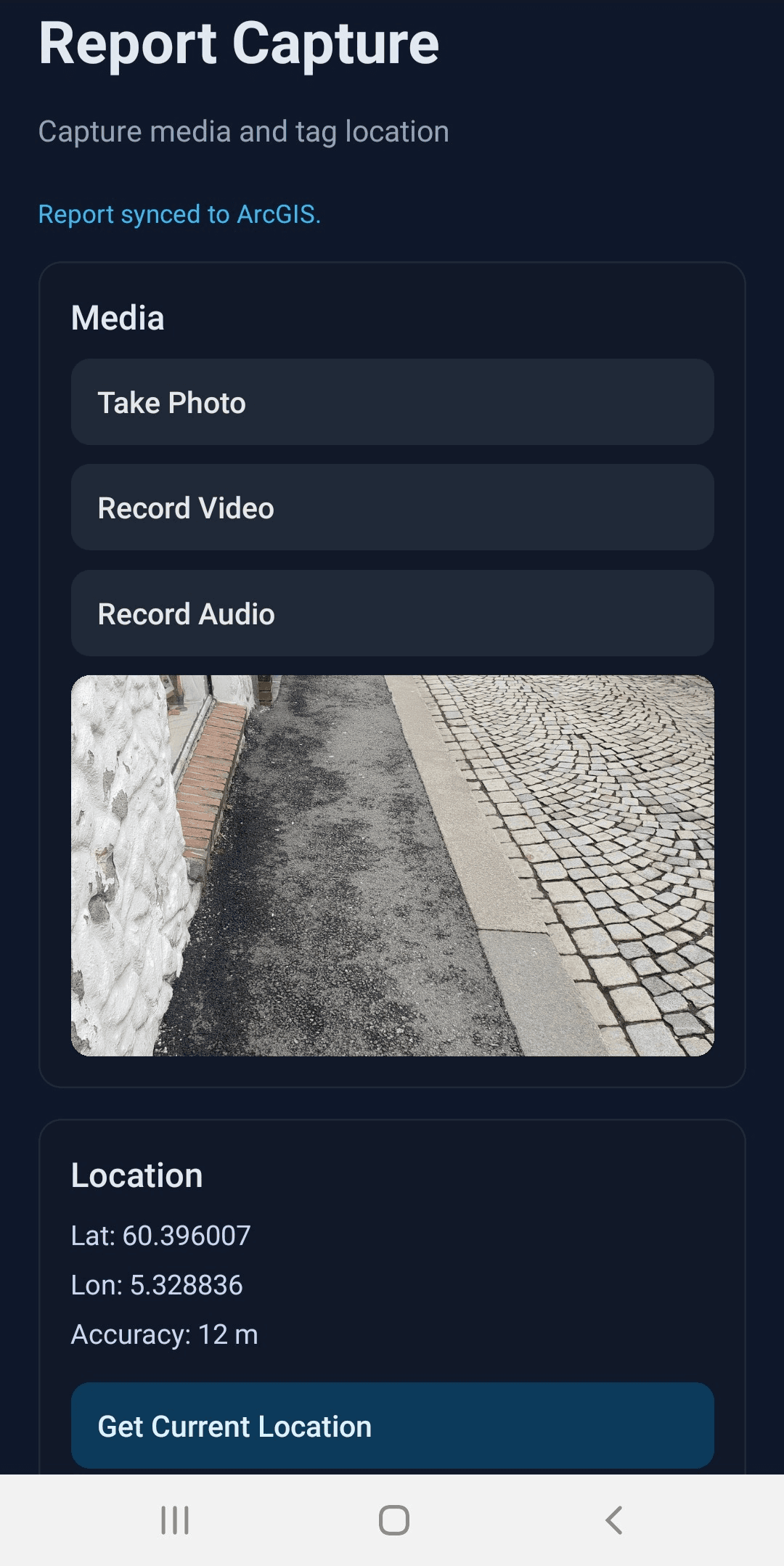
A picture says 1000 words
When something goes wrong in the field, the clearest starting point is often a photo, a map location, and a short explanation. Stratilyze makes it easy to capture that input and route it into a review process the team can trust.
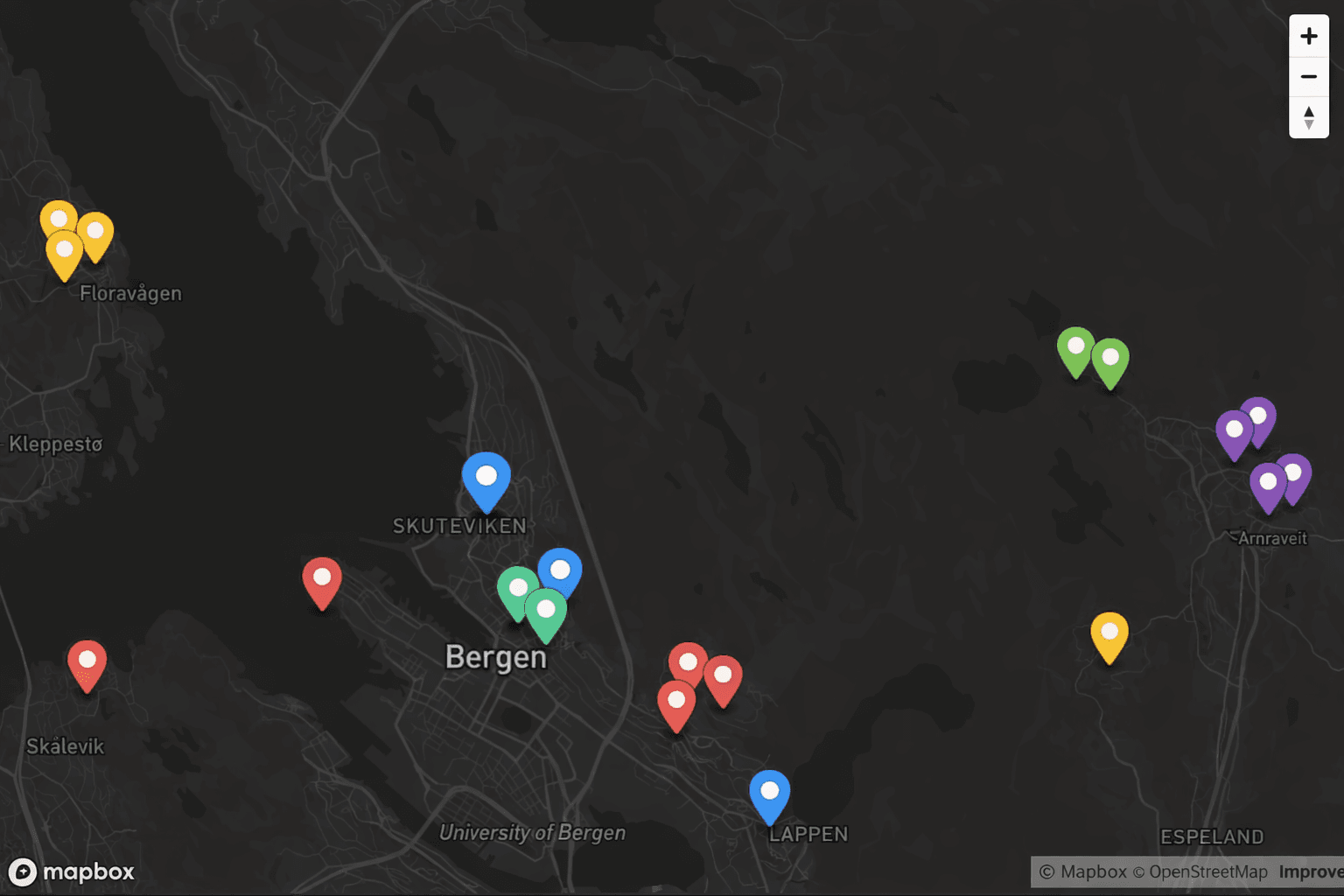
Geotagged responsibility
Reports are tied to place, evidence, and ownership so the right people can review what is happening and act with context. Over time, recurring issues and hotspots become easier to spot across a site or area.
How the workflow works
Start with the core reporting flow. Add more capability later only where it helps.
1. Report
Capture an issue with a photo, location, and a short description from the field.
2. Review
A supervisor or coordinator reviews the report and decides what should happen next.
3. Track
Status, ownership, and follow-up stay visible across the team.
4. Verify
Completion can be checked with notes, photos, and history before closing the case.
5. Expand
AI assistance, analytics, and work-order handling can be added where they help.
Assistive AI, not overclaimed AI
Stratilyze can include a chat-based assistant to help summarize reports, clarify what is in the queue, and support human review. It is there to help teams work with the information, not replace judgment or hide responsibility.
Who it is for
Stratilyze is built for teams managing physical places, field work, and follow-up where accountability matters.
Where it fits
The product is simple enough to apply across different environments while staying focused on the same core problem: clear reporting, visible ownership, and better follow-through.
Start with this
- Photo and media-based reporting
- Location-tagged records
- Shared dashboard and case review
- Status and ownership tracking
- Evidence-based verification
- Audit trail and history
Add later where useful
Additional capability can be layered in as needs become clearer and the workflow matures.
- AI chat assistance for summaries and clarification
- Assisted or automated triage
- Recurring issue analytics and hotspot views
- Client-specific work-order handling
- Integrations into broader operational systems
Start with one workflow and one site
The strongest pilots usually start with a focused reporting workflow, a clear review process, and one measurable operational outcome. From there, more workflow and intelligence can be layered on carefully.